I decided yesterday that I was going to Wenlock Edge today. Somewhere I have not visited for some 20 plus years since walking it as a Scout.
That decision matters more than it sounds. Because this morning, day seven of a depression cycle, the idea of getting dressed and heading to a nature reserve felt somewhere between impossible and pointless. When everything feels flat and hopeless, the voice that says “what’s the point” is very convincing.
But I’d already decided. So I went anyway.
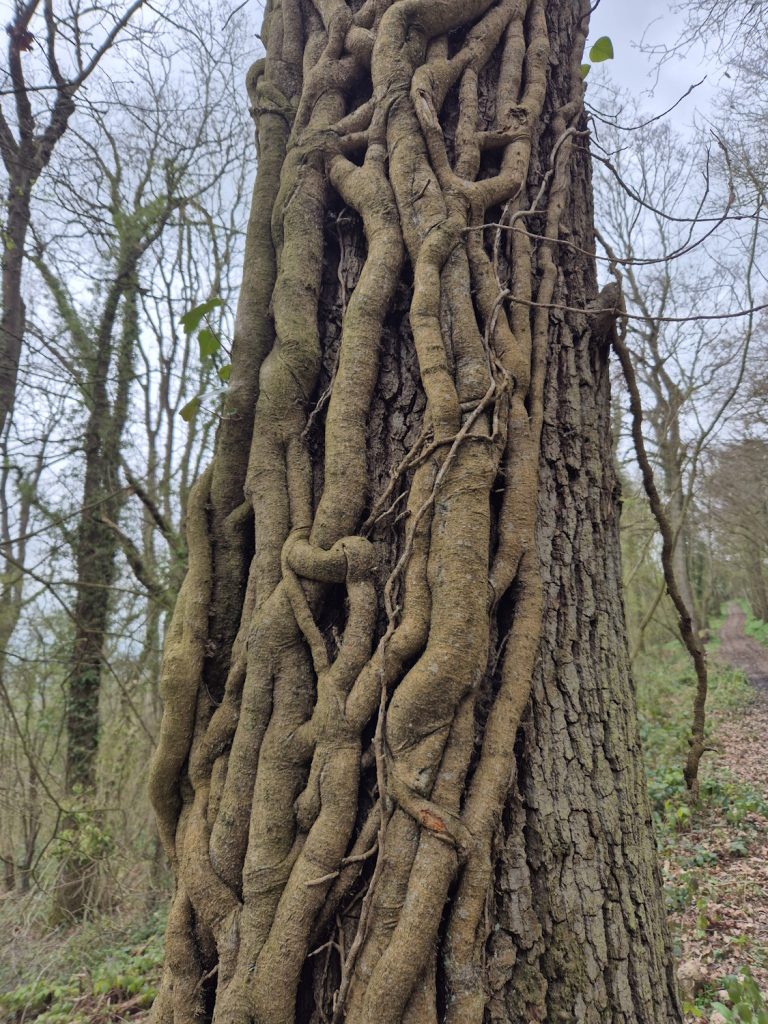
I’m nine weeks post major abdominal surgery. Before that, chronic pain meant exercise like this simply wasn’t possible for a long time. What I used to read as laziness in myself was actually a body that genuinely couldn’t do what I was asking of it.
Today it could.
Not perfectly, not without aching toward the end, not without hobbling from the car back to the house once I was home. Four miles on Wenlock Edge with its proper inclines turned out to be nearly two hours in heart rate zones, 52 minutes of that in vigorous and peak (according to my Fitbit anyway). For someone nine weeks post-surgery that’s significant. My body worked today even without my brain in gear.
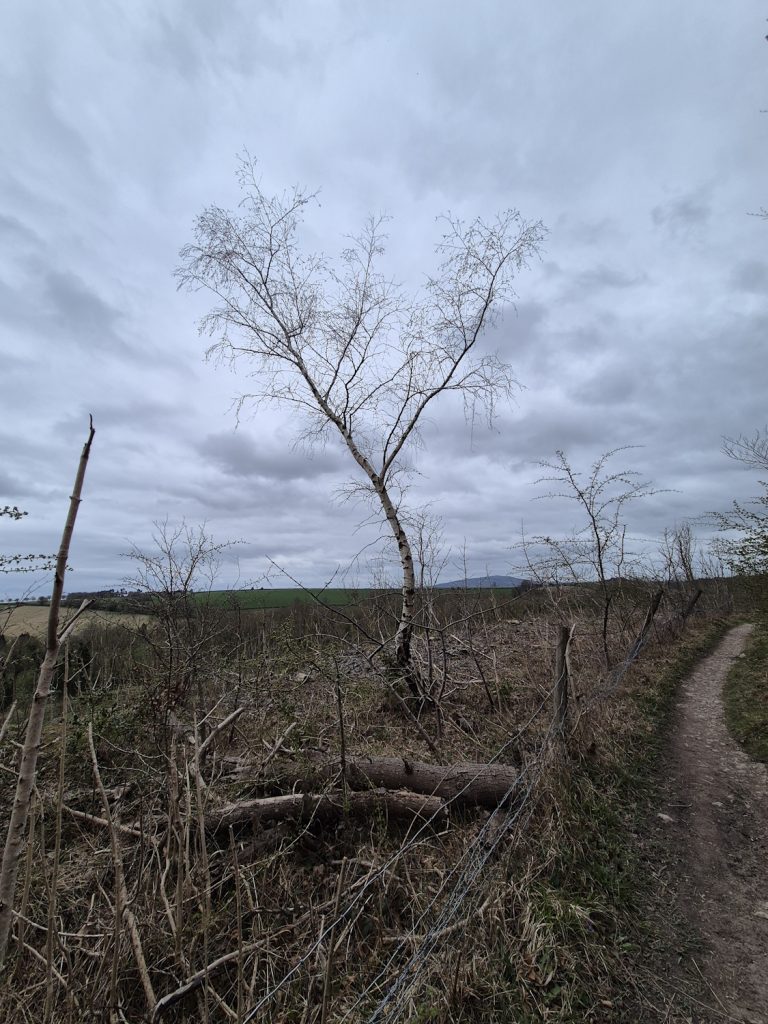
My mood hasn’t shifted. I want to be honest about that. I didn’t come home transformed. The heaviness is still there.
But I’m glad I went. And I’ve been looking at the photographs since I got home.
There’s a lot of wellness content out there that promises nature will fix you. Get outside! Fresh air! Green spaces! And yes, there’s genuine evidence that time in nature supports mental health. I’m not arguing with that.
But sometimes you go for a walk and you come home still low. And that’s okay. That doesn’t mean it wasn’t worth it. It means recovery of any kind, from depression, from surgery, from hard places, isn’t linear and isn’t instant.
What I know is this: I made a decision yesterday and I kept it today. My healing body got four miles of real movement through ancient woodland. I have photographs of things I find beautiful.
And somewhere underneath the flatness, there’s a quiet satisfaction in having done it anyway.
Sometimes that’s enough.
What I found along the way
Wenlock Edge in early April is properly worth seeing. The woodland floor is doing what ancient woodland does at this time of year, putting on a brief, extraordinary show before the tree canopy closes over and shuts the light out.
I found eight things worth stopping for.
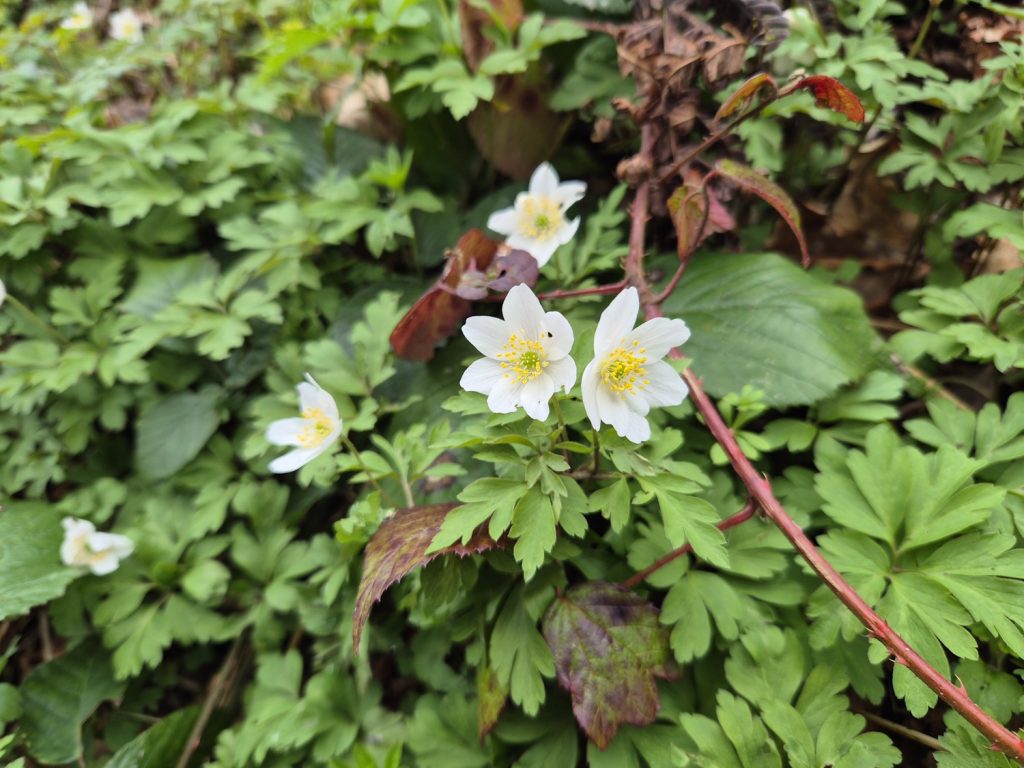
Wood Anemone (Anemone nemorosa)
Delicate white flowers with yellow centres, carpeting the ground in drifts. An ancient woodland indicator. Did you know that they spread only about six feet every hundred years! So, where you find them you know the wood is genuinely old. In folklore they were said to spring up where fairies had danced.
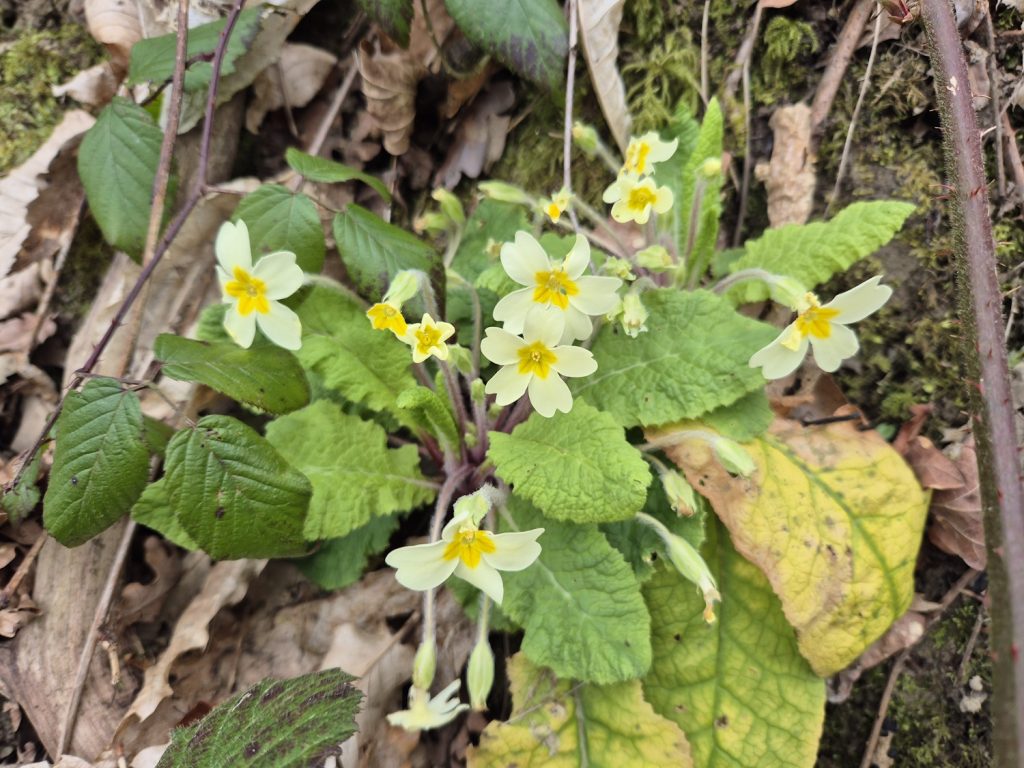
Primrose (Primula vulgaris)
That soft pale yellow that feels like the colour of early spring itself. In Celtic tradition hung on doorways at Beltane for protection. The flowers are edible, lovely crystallised or scattered through a salad if you’re inclined.
Violets
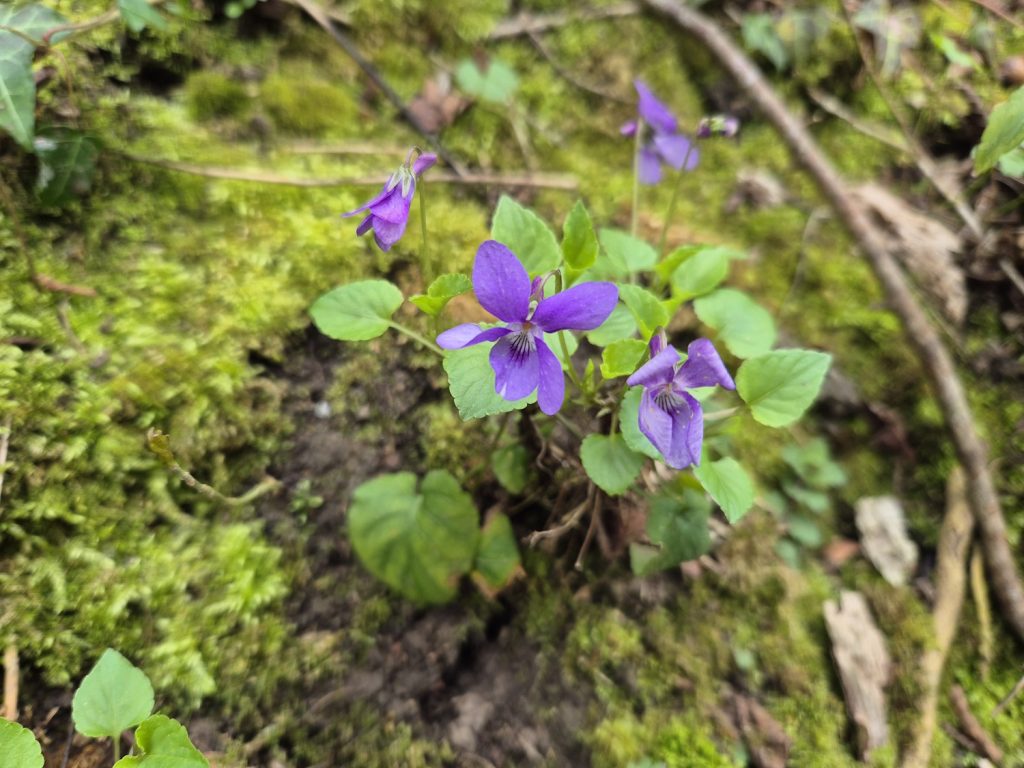
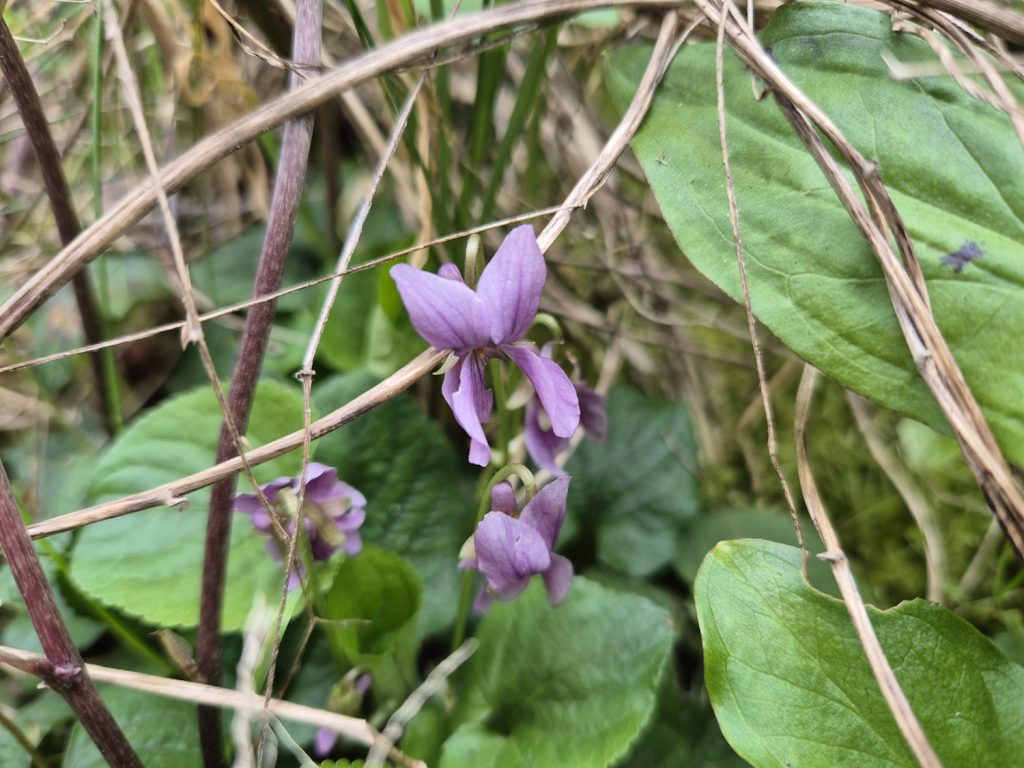
I spotted violets in two shades. One a deep rich purple, one a pale washed-out lilac, both tucked into the woodland floor. I didn’t get a clear enough photograph to be certain of both species but that quiet variation in colour, both belonging in the same old wood, felt worth noticing. Viola leaves are high in Vitamin C and the flowers were traditionally used for calming anxiety and promoting sleep.
Blackthorn blossom (Prunus spinosa)
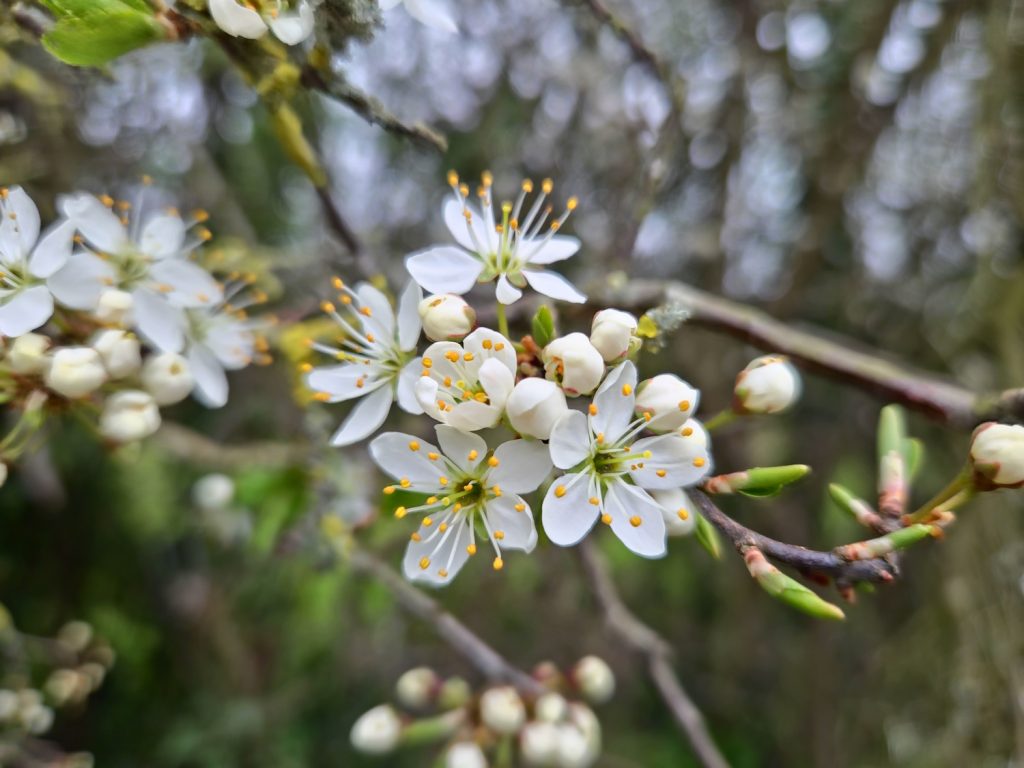
Pretty white blossom flowers on bare dark branches, one of the most striking sights of early spring. Deeply significant in Celtic and pagan tradition, associated with protection and the dark half of the year. Come autumn those same branches will carry sloes.
Native English Bluebell (Hyacinthoides non-scripta)
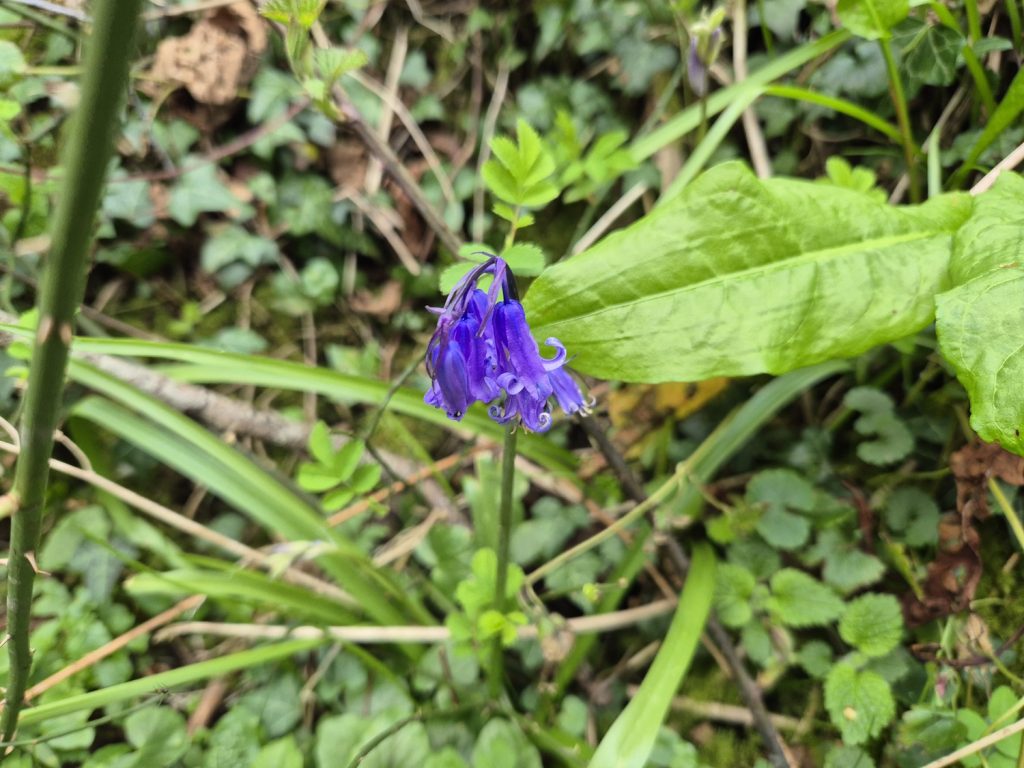
The real thing. Drooping stem, bells all to one side, dark anthers, that extraordinary blue that photographs never quite capture. The UK holds roughly half the world’s native bluebell woodland. Wenlock Edge is one of the good places. Just beginning to emerge, in a week or two the wood will be carpeted. In folklore a fairy flower – if you heard one ring, a fairy was nearby.
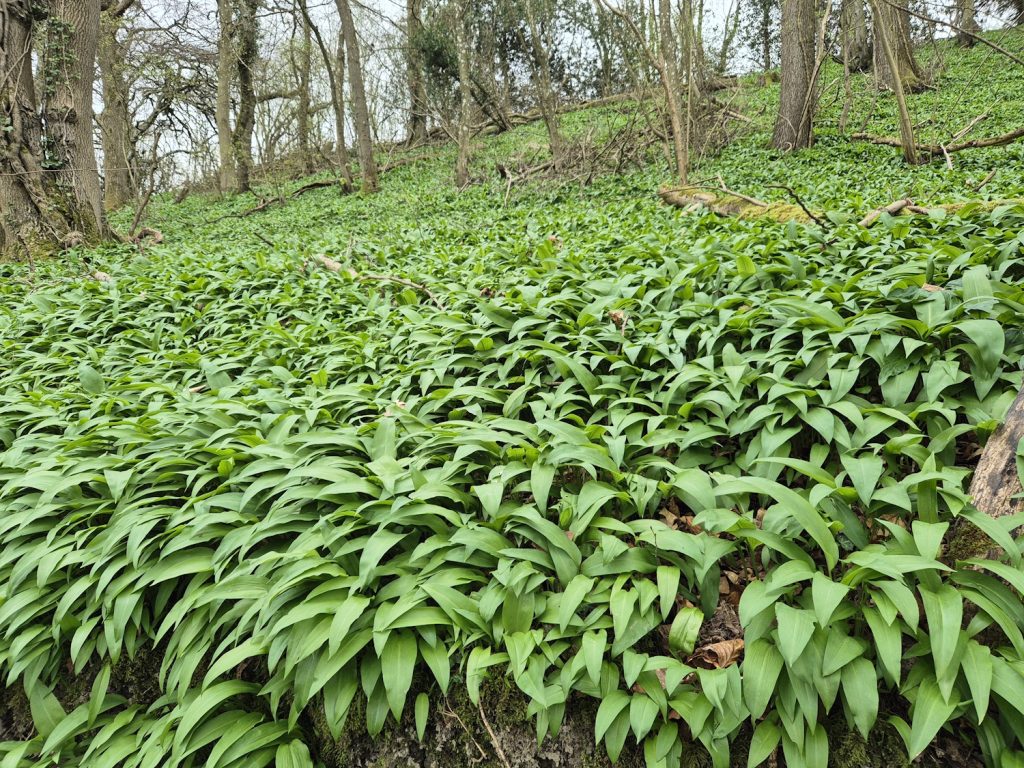
Wild Garlic (Allium ursinum)
You smell it before you see it. That sharp, distinctive green smell filling a whole section of path. There was so much of it the woodland floor was carpeted. Antibacterial, good for the heart and circulation, completely edible. One of the most useful plants you’ll encounter on a spring woodland walk.
Herb Robert (Geranium robertianum)
Not yet in flower but unmistakable, those deeply divided ferny leaves already turning red at the edges, and that sharp distinctive smell if you brush against it. I grow it at home and have used it medicinally for years. It has a long history in folk medicine as a general tonic and wound herb. The tea is earthy and slightly bitter. We have a long relationship, Herb Robert and I.
I took photographs of them as I walked around, as well as the view from Major’s Leap, a historic site where, it is told, a horse and rider jumped off the ledge while being pursued.
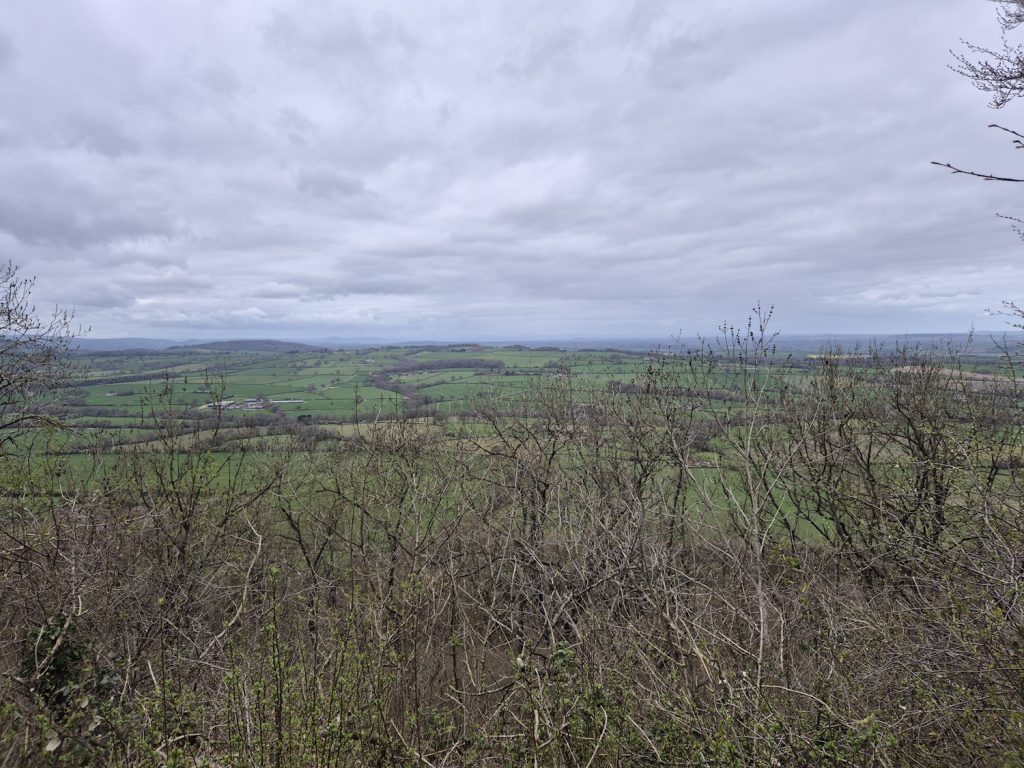
I too took a leap of faith today and survived to tell the tale.
And that isn’t nothing.
Emily is a life and mindfulness coach at The Stillth Grove. If any of this resonates, the hard days, the going anyway, the slow recovery — feel free to get in touch.